Vacuum Furnace for Working with Titanium Alloys
- 2026-11-12 21:38
- Brother Furnace
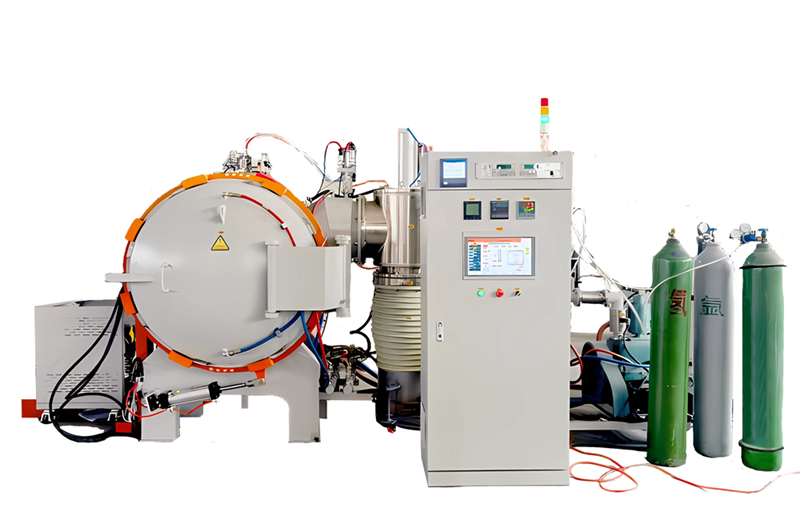
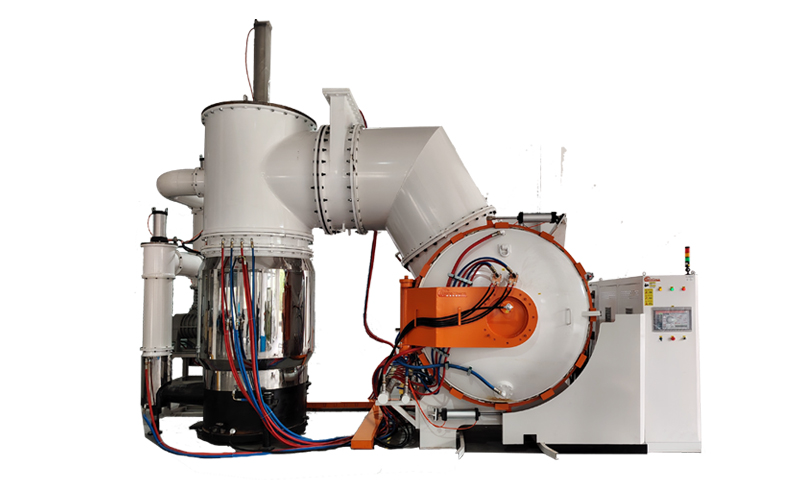
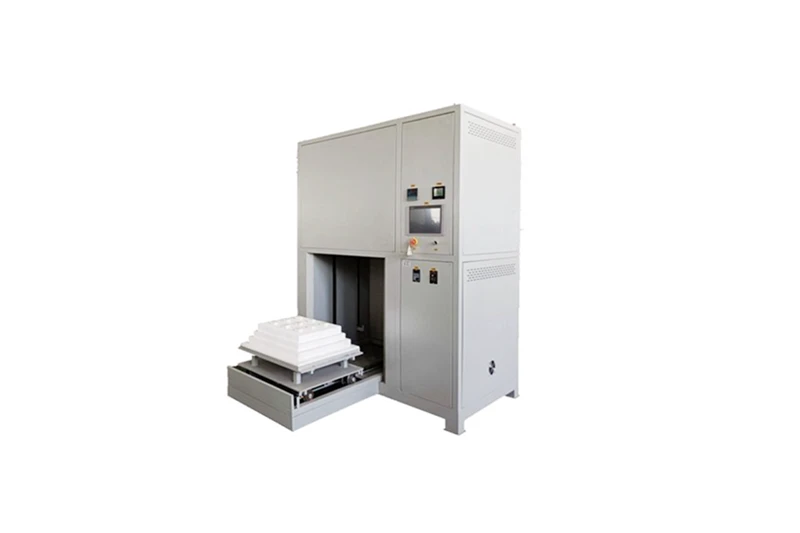
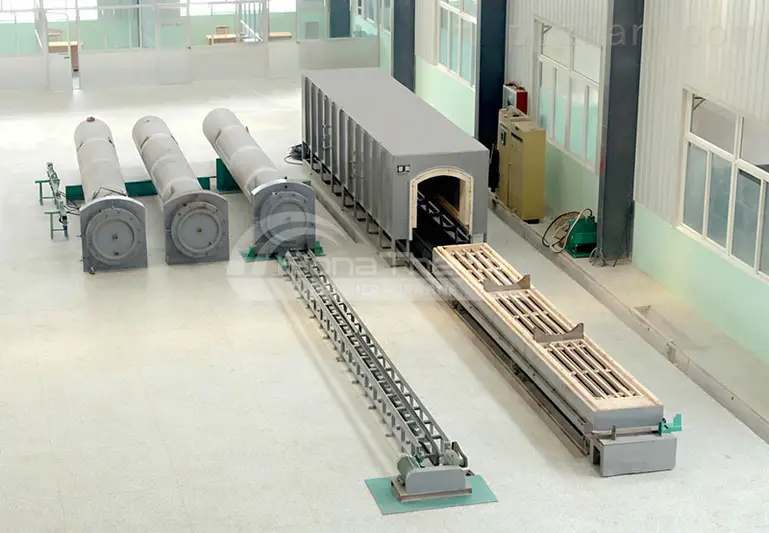
This Vacuum Furnace for Working with Titanium Alloys is designed for the heat treatment of titanium alloy components under a controlled vacuum environment. It helps minimize oxidation, gas absorption, and surface contamination during high-temperature processing, ensuring the desired metallurgical properties and surface quality.
Titanium alloys, such as Ti-6Al-4V (Grade 5), are widely used in aerospace, medical, automotive, and advanced engineering industries due to their high strength-to-weight ratio and excellent corrosion resistance. However, titanium has a strong affinity for oxygen, nitrogen, and hydrogen at elevated temperatures. Improper heat treatment conditions may cause surface contamination, including the formation of a brittle oxygen-enriched layer known as alpha case. Therefore, reliable vacuum and atmosphere control are essential for titanium alloy heat treatment.
Key Heat Treatment Applications
The vacuum furnace is suitable for several heat treatment processes of titanium alloy components:
Annealing: Improves ductility, adjusts the microstructure, and helps stabilize material properties after hot or cold working.
Solution Treatment: Heating selected heat-treatable titanium alloys to a specified temperature, followed by controlled cooling or quenching to obtain the required microstructure and mechanical properties.
Aging Treatment: Applied to selected alpha-beta and beta titanium alloys, often following solution treatment, to increase strength and hardness through controlled precipitation.
Stress Relieving: Reduces residual stresses generated during machining, forming, and other manufacturing processes while helping maintain dimensional stability.
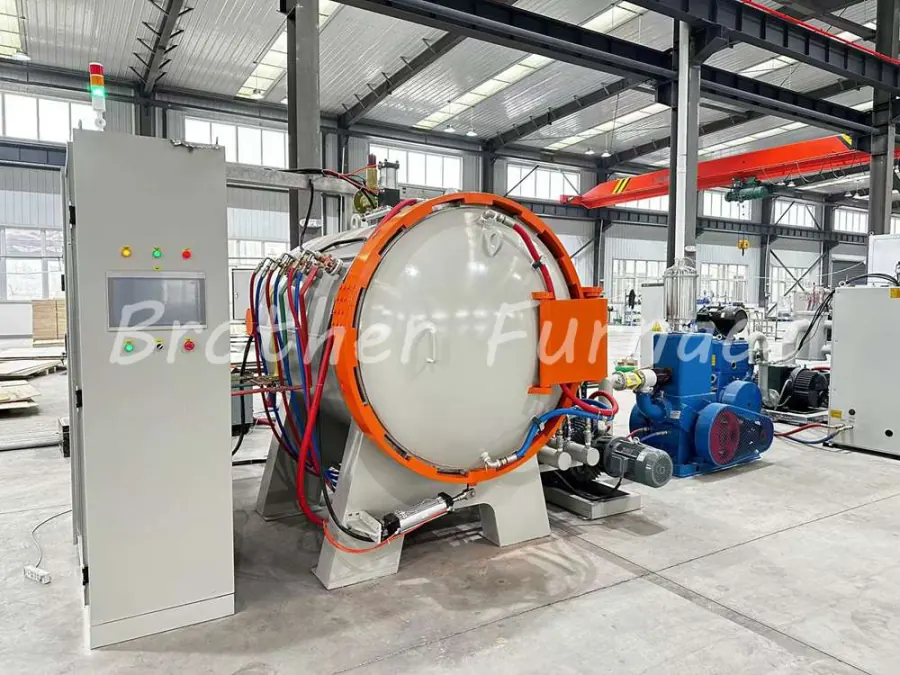
Key Furnace Features and Requirements
For reliable titanium alloy heat treatment, the vacuum furnace should provide:
High Vacuum Performance: A low-leakage vacuum system helps minimize exposure to oxygen, moisture, and other reactive gases during heating.
Precise Temperature Control: Accurate temperature regulation and uniform heating ensure consistent and repeatable heat treatment results.
Contamination-Controlled Hot Zone: Heating elements, insulation, fixtures, and supporting materials must be selected according to the alloy and surface contamination requirements. Molybdenum all-metal hot zones are an option for applications requiring stringent contamination control.
High-Purity Inert Gas Protection: Dry, high-purity argon or helium can be used for protective gas backfilling and cooling when specified by the heat treatment process.
Controlled Cooling: The furnace cooling system must meet the required cooling rate. For processes requiring rapid quenching, an appropriate separate quenching system or specialized cooling arrangement may be necessary.
Proper cleaning of workpieces, fixtures, and furnace components is also essential to minimize contamination and prevent alpha case formation.
Typical Industrial Applications
Vacuum heat treatment of titanium alloys is widely used for aerospace structural components, aircraft engine parts, precision-machined components, medical implants, and other high-performance engineering products. It is particularly suitable for applications requiring high mechanical strength, dimensional stability, and controlled surface quality.
A properly configured vacuum heat treatment furnace provides a clean and controlled processing environment for improving the performance and reliability of titanium alloy components.
Note: Actual processing temperatures, holding times, vacuum levels, and cooling methods depend on the titanium alloy grade, component geometry, required mechanical properties, and applicable heat treatment specifications.