Ceramic Sintering Furnace for Silicon Carbide, Alumina and Aluminum Nitride Ceramics
- 2026-08-13 19:57
- Brother Furnace
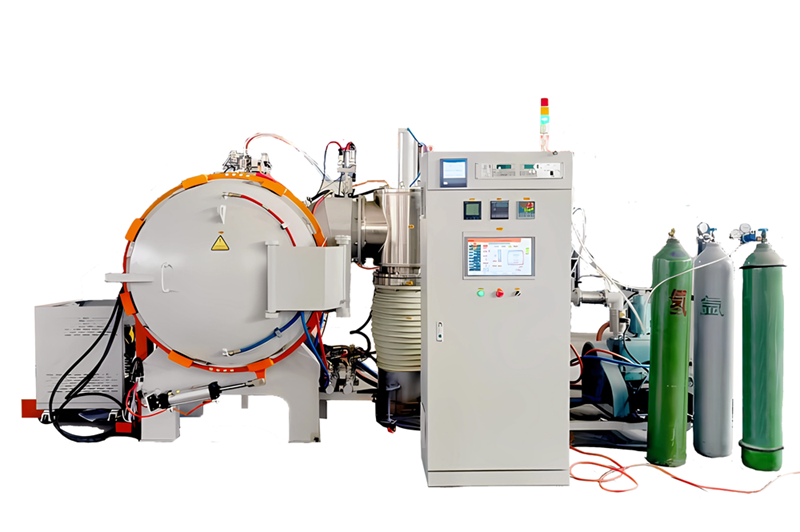
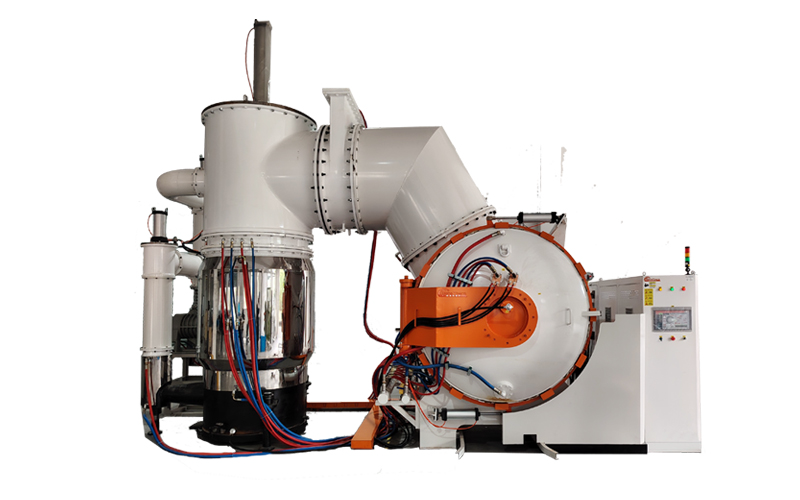
This ceramic sintering furnace is a high-temperature system for debinding, sintering, and heat treatment of advanced ceramics such as silicon carbide (SiC), alumina (Al₂O₃), aluminum nitride (AlN), silicon nitride (Si₃N₄), and zirconia (Y-TZP). Furnace temperature, heating elements, atmosphere, and process schedules are selected according to the material and sintering method.
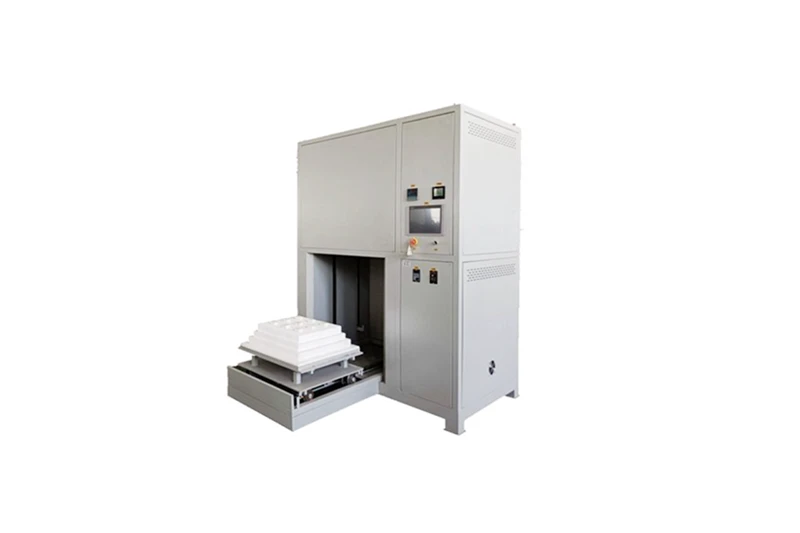
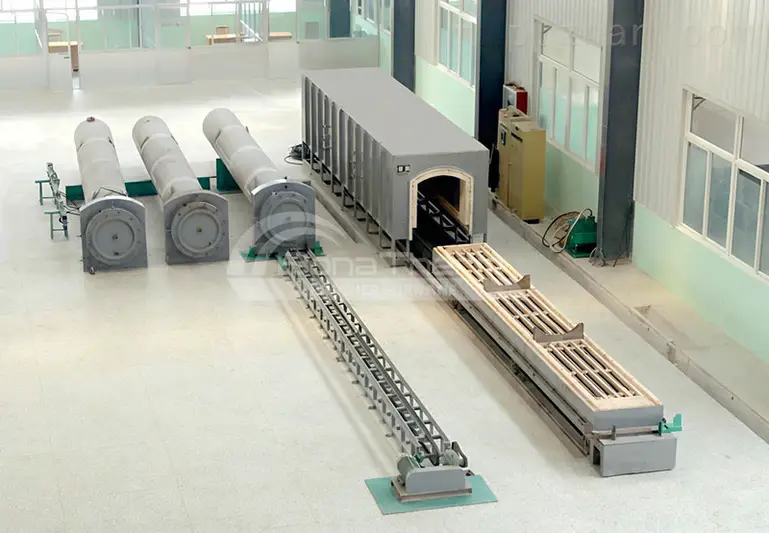
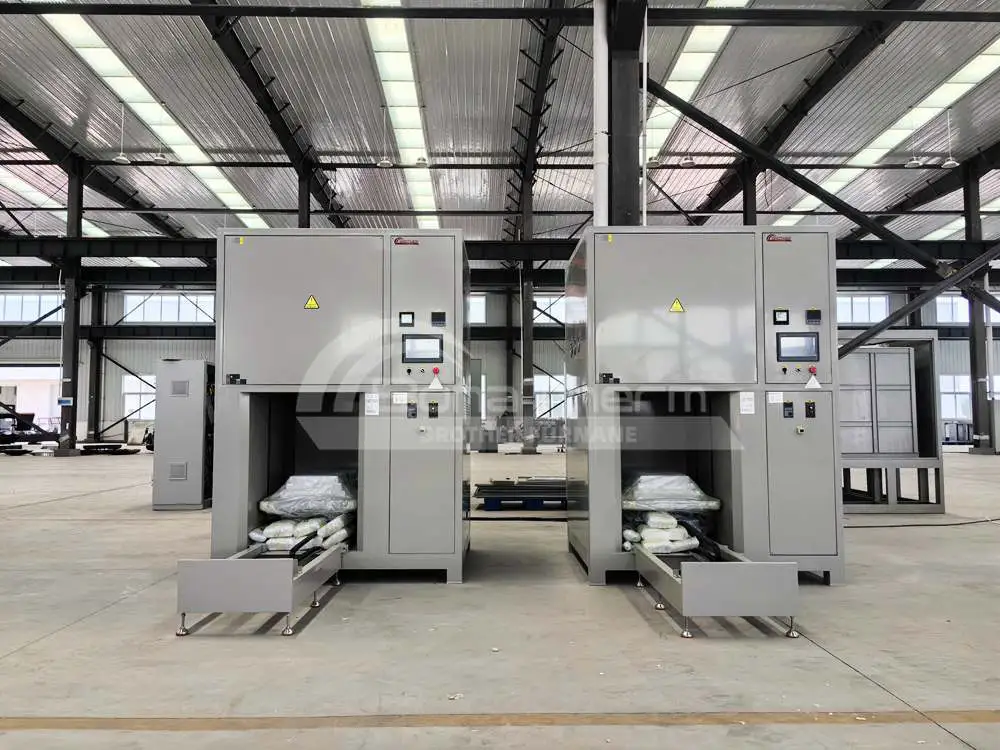
Precise temperature control, uniform heating, atmosphere management, and controlled debinding are essential for consistent ceramic quality. A lift-type furnace with a bogie hearth provides high loading capacity while saving floor space and simplifying loading and unloading.
High-Temperature Sintering for Advanced Ceramics
This industrial ceramic sintering furnace can operate at up to 1750°C, depending on the configuration. It is suitable for many high-temperature ceramic processes, while some AlN and SiC formulations may require higher temperatures or specialized equipment.
Typical applications include:
- SiC ceramics – selected high-temperature sintering processes.
- Alumina (Al₂O₃) – high-purity substrates, electrical ceramics, and structural parts.
- AlN ceramics – thermal-management substrates and components, commonly under controlled nitrogen.
- Si₃N₄ ceramics – sintering of green bodies and, with suitable nitrogen configuration, silicon powder nitridation.
- Zirconia (Y-TZP) and other technical ceramics.
It may also be adapted for selected powder metallurgy and Metal Injection Molding (MIM) applications when process conditions are compatible.
Controlled Atmosphere and Debinding
Many ceramic components contain organic binders that must be removed before sintering. Controlled debinding helps reduce cracking, bloating, residual carbon, and porosity.
An integrated exhaust system can include preheated process gas or air, thermocouples, filtration, and controlled airflow. Gas composition, exhaust rate, and heating schedule should match the binder system and material requirements.
For atmosphere-sensitive materials, the furnace can be configured for nitrogen or inert gas. AlN is commonly sintered under controlled nitrogen, while SiC may use inert gas, vacuum, or other controlled conditions depending on the process.
Temperature Control and Uniform Heating
The furnace uses four-sided heating to improve temperature uniformity throughout the working chamber.
A programmable control system allows multi-stage heating, holding, and cooling profiles. Controlled heating rates are particularly important during debinding.
A 10-inch touchscreen can provide programmable process curves for repeatable production.
Lift-Type Design and Safety
The furnace uses multilayer refractory insulation and ceramic fiber materials designed for high-temperature operation, helping reduce heat loss.
The lift-type structure and bogie hearth provide convenient material handling and efficient use of factory space. Safety functions can include:
- Over-temperature protection and automatic power cutoff
- Thermocouple failure detection and alarms
- Audible and visual fault indication
- Emergency shutdown
- Furnace door and lifting-system safety interlocks
- Controlled exhaust during debinding
These systems help protect the furnace and improve process repeatability.
Ceramic Sintering Furnace Standard Size
| Model | Max.Temp (℃) | Chabmer size (WxHxD in mm) | Liter (L) | Power (KW) | Phase | Heater | Thermo couple |
| BR-17BL-8 | 1750 | 200*200*200 | 8 | 5 | 1 | Mosi2 heating elements | B type |
| BR-17BL-12 | 200*200*300 | 12 | 7 | 1 | |||
| BR-17BL-27 | 300*300*300 | 27 | 9 | 1 | |||
| BR-17BL-36 | 300*300*400 | 36 | 11 | 3 | |||
| BR-17BL-64 | 400*400*400 | 64 | 18 | 3 | |||
| BR-17BL-125 | 500*500*500 | 125 | 40 | 3 |
Note: Other sizes can be customized.